Database Solutions
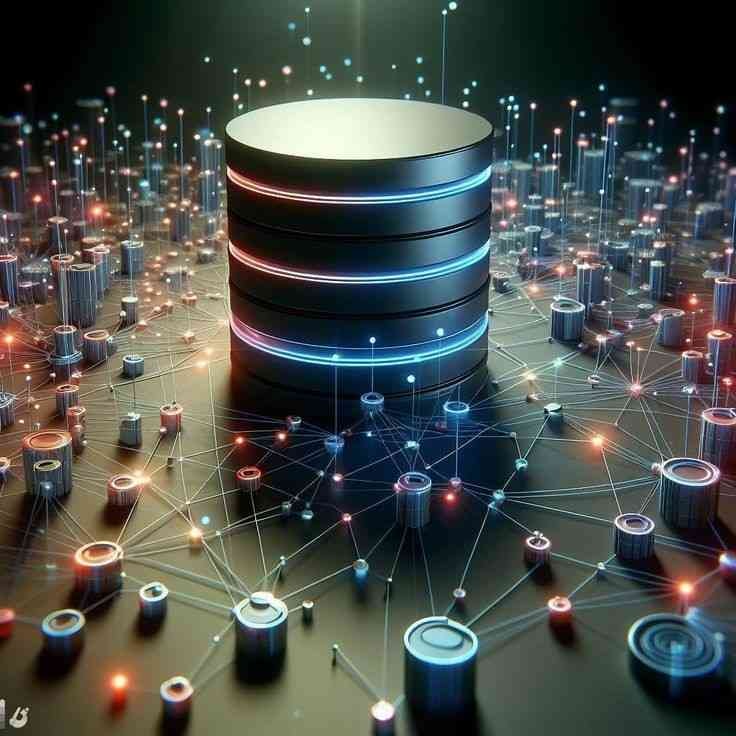
Understanding what database solutions are and how they work is essential for any business that relies on data-driven operations. Modern organizations generate massive amounts of information every day—from customer details and sales transactions to employee records and application data—and managing this efficiently requires the right database systems. Database solutions provide the structured, secure, and scalable foundation needed to store, process, and retrieve data quickly. This guide explains the different types of database solutions, their key benefits, and real-world use cases, helping businesses and developers choose the right data infrastructure for long-term performance and growth.
Services
Modern businesses run on data. Customer records, sales transactions, website analytics, product catalogs, employee information — everything depends on secure and structured data management. This is where Database Solutions play a critical role. A database system ensures your data is stored properly, processed quickly, and retrieved efficiently whenever needed. In this guide, you’ll learn what database solutions are, the different types available, why companies rely on them, and how they’re used across various industries.
What Are Database Solutions?
Database solutions refer to technologies, platforms, and systems used to store, manage, organize, and analyze data. They are designed to support:
- Fast data retrieval
- Secure storage
- Scalability
- Efficient data processing
- Real-time analytics
These solutions range from simple spreadsheet-like tools to complex cloud-based systems handling billions of transactions per day.
Database solutions combine database software + management tools + security features, offering a complete structure for data management.
Why Businesses Need Database Solutions
Strong data infrastructure helps companies:
- Avoid data loss
- Improve operational efficiency
- Make better decisions
- Maintain compliance and security
- Support growing data volumes
As businesses expand, so does the need for reliable database technology. Without it, critical operations like billing, analytics, customer service, and inventory management would break down.
Types of Database Solutions
Below is a semantic-rich, NLP-friendly breakdown of the main database types.
Relational Databases (RDBMS)
Best for structured data that uses tables, rows, and columns.
Examples: MySQL, PostgreSQL, Oracle, SQL Server
Common use cases:
- Banking systems
- E-commerce orders
- Employee records
- Inventory management
Strengths: ACID compliance, relational modeling, strong data integrity.
NoSQL Databases
Designed for unstructured and semi-structured data.
Examples: MongoDB, Cassandra, CouchDB, DynamoDB
Use cases:
- Social media apps
- IoT data
- Real-time analytics
- Content management
Strengths: Scalability, flexibility, schema-less structure.
Cloud Databases
Hosted on platforms like AWS, Google Cloud, and Azure.
Examples: Amazon RDS, Firestore, Azure SQL
Use cases:
- SaaS applications
- Startups with fast scaling
- Global data access
Strengths: Low maintenance, automatic backups, high availability.
In-Memory Databases
Store data in RAM for extremely fast performance.
Examples: Redis, Memcached
Use cases:
- Caching
- Real-time data streaming
- Gaming leaderboards
- Fraud detection
Strengths: Millisecond response times.
Graph Databases
Designed for relationship-heavy data (nodes + edges).
Examples: Neo4j, TigerGraph
Use cases:
- Social networks
- Recommendation engines
- Network analysis
Strengths: Excellent for complex data relationships.
Time-Series Databases
Focus on data indexed by timestamps.
Examples: InfluxDB, TimescaleDB
Use cases:
- IoT monitoring
- Server logs
- Sensor data
- Financial market tracking
Strengths: High write throughput.
Distributed Databases
Data is stored across multiple servers for performance and redundancy.
Examples: CockroachDB, Apache Cassandra
Use cases:
- Large-scale applications
- Multi-region deployments
- High-availability systems
Strengths: Fault-tolerant, horizontally scalable.
Key Benefits of Database Solutions
Here are the business benefits, explained in NLP-friendly, topical authority format:
Faster Data Access
Enables quick search, filtering, and processing for reports, dashboards, and daily operations.
Structured Data Management
Keeps information organized and reduces duplication, errors, and inconsistencies.
Strong Security and Access Control
Supports encryption, user permissions, and auditing to protect sensitive data.
High Scalability
Handles increasing data volumes without performance issues.
Improved Decision-Making
Real-time data insights help teams react faster and plan better.
Smooth Integration with Applications
Connects easily with web apps, mobile apps, ERP, CRM, POS, and analytics tools.
Reduced Operational Costs
Cloud-based database solutions reduce infrastructure and maintenance expenses.
Popular Use Cases of Database Solutions
This section builds Google-friendly semantic coverage with multiple industries:
E-Commerce Businesses
- Product catalogs
- Orders & transactions
- Customer profiles
- Inventory stock levels
Healthcare Sector
- Patient information
- Lab records
- Doctor scheduling
- Billing systems
Finance & Banking
- Transactions
- Fraud detection
- Risk assessment
- Secure customer data
Manufacturing & Supply Chain
- Warehouse data
- Logistics tracking
- Production reports
Education & E-Learning
- Student records
- Online course data
- Attendance systems
Marketing & Analytics
- Campaign performance
- User behavior tracking
- Lead management
Software & SaaS Products
- Authentication
- User activity tracking
- App data storage
How to Choose the Right Database Solution
A complete topical coverage must include selection criteria. This helps semantic relevance.
Choose based on:
- Data type (structured vs unstructured)
- Security requirements
- Budget and hosting preference
- Scalability needs
- Application performance demands
- Integration compatibility
- Industry compliance rules
FAQ
Frequently Asked Questions on Database Solutions
Find answers to common questions about database solutions.
What is the main purpose of a database solution
A database solution is designed to store, organize, retrieve, and process data in a structured and secure way. Its primary purpose is to help businesses manage information efficiently, support application performance, and maintain data accuracy across systems.